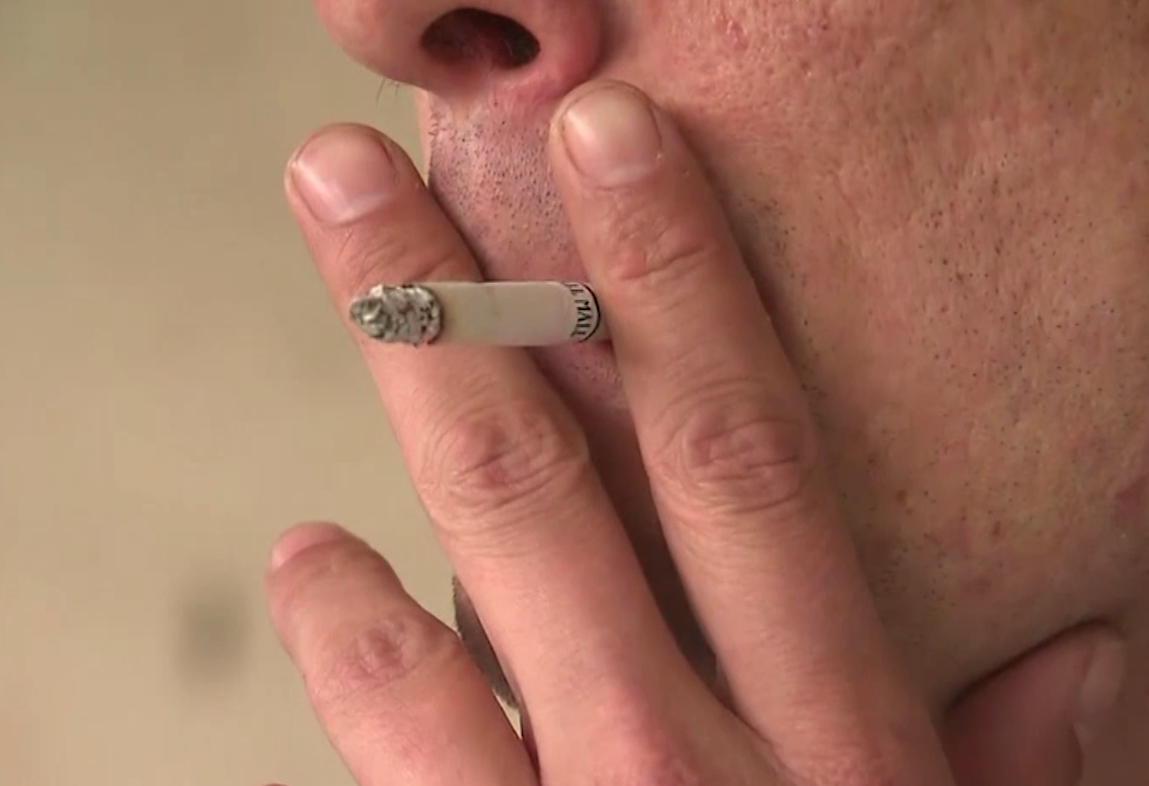
MICHIGAN — Michigan received failing grades in several key tobacco prevention categories in the American Lung Association’s 24th annual “State of Tobacco Control” report released last week. Tobacco use remains the leading cause of preventable death in the state, claiming the lives of more than 16,170 residents each year.
The 2026 report highlights a lack of state policies to prevent and reduce tobacco use as federal protections have decreased. Public health advocates are now urging Michigan lawmakers to implement new taxes and licensing requirements to protect residents from addiction and disease.
The report evaluates states in five categories proven to reduce tobacco use. Michigan received an F grade for tobacco prevention program funding, tobacco taxes and efforts to end the sale of flavored tobacco products. The state earned a C grade for the strength of its smokefree workplace laws and a D grade for its coverage and access to services to help residents quit tobacco.
Kezia Ofosu Atta serves as the director of advocacy at the American Lung Association in Michigan. Atta noted that state-level action has become more urgent following a year of reduced national oversight. “With fewer federal protections in place, states need to ramp up their tobacco prevention efforts even more to protect residents from disease and addiction caused by tobacco use,” Atta said.
The Keep MI Kids Tobacco Free Alliance is currently urging state lawmakers to strengthen policies to limit tobacco use. Jodi Radke serves as the regional director for the Campaign for Tobacco-Free Kids and co-chair of the alliance. “These failing grades show Michigan is still woefully behind in protecting our kids from the dangers of tobacco and addiction,” Radke said. Radke and the alliance are calling for the state to prioritize child health by implementing stronger prevention policies this year.
The push for state action follows significant changes at the federal level during 2025. National tobacco control efforts were weakened by budget cuts to the Centers for Disease Control and Prevention’s Office on Smoking and Health. Additionally, the Food and Drug Administration’s Center for Tobacco Products faced staffing reductions. Advocacy groups stated these national actions have put tobacco prevention and quitline services at risk across the country.
In 2026, advocacy groups are calling on Michigan policymakers to focus on licensing all tobacco retailers, including those who sell e-cigarettes. Proposed policy goals also include eliminating purchase, use and possession laws as well as the preemption of stronger local laws. Advocates are also seeking an e-cigarette tax to establish tax parity across all tobacco products.